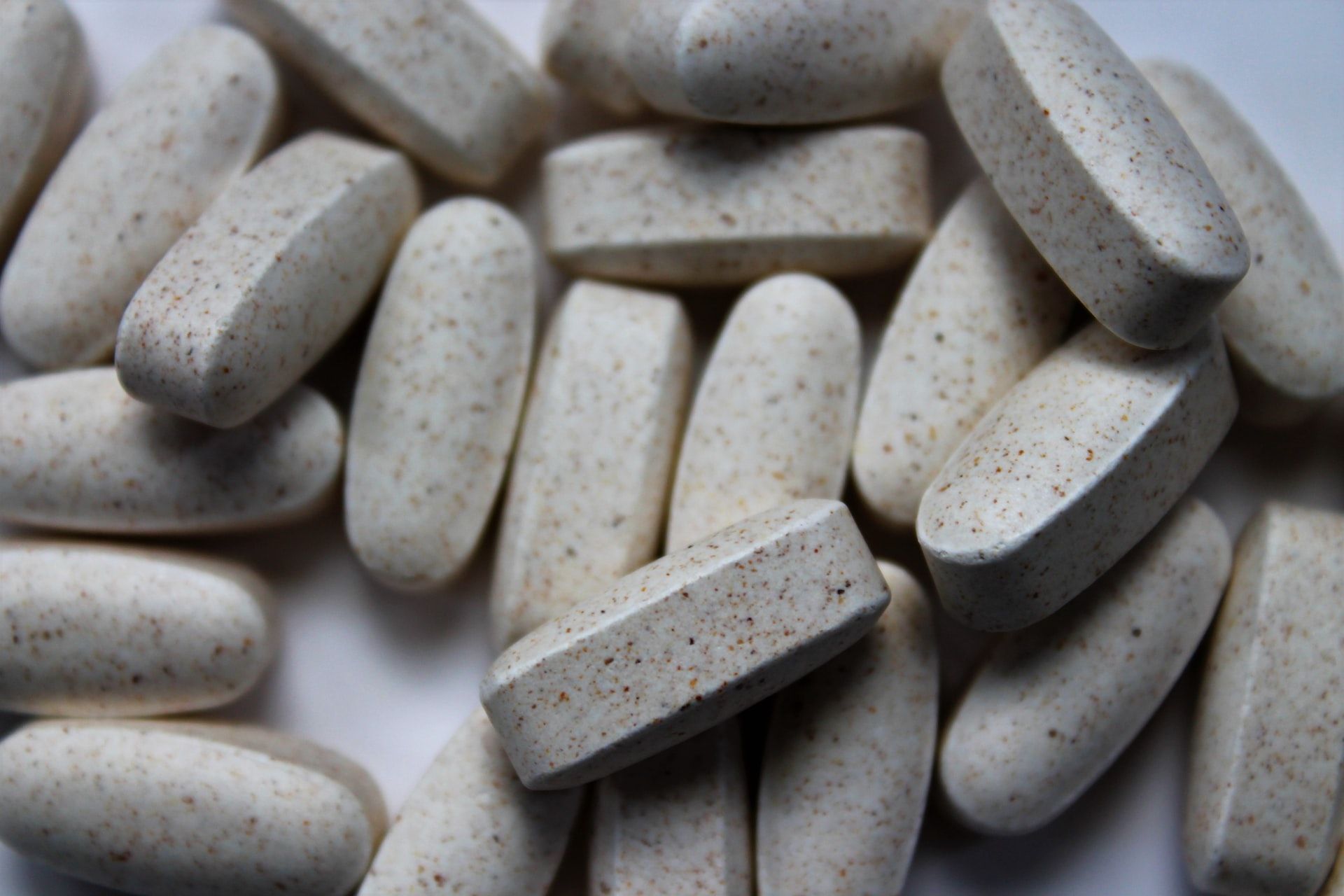
Vitamin A

Printer-friendly versionSend by emailPDF version
No votes yet

Vitamin A is found in high concentrations in animal tissues, especially liver and in fish liver oil. Carotene, the precursor to vitamin A, it is water soluble and is found in carrots, spinach, beet greens and broccoli.
Vitamin A aids in the growth and repair of body tissues and helps maintain skin and mucous membranes. It also promotes the secretion of gastric juices. It is also necessary for the formation of visual purple, a substance in the eye which is necessary for proper night vision.
The upper intestinal tract is the primary area of absorption of vitamin A. Enzymes and bile salts convert carotene into a usable nutrient. The conversion is stimulated by thyroxin. Approximately one-third of carotene consumed in the diet is converted to vitamin A. Diabetics may not be able to convert carotene into vitamin A.
One of the earliest symptoms seen in vitamin A deficiency is night blindness. Xerosis is also common. The eyeball loses its luster, becomes dry and inflamed and visual acuity is reduced. Other signs of deficiency include rough, dry or prematurely aged skin; loss of sense of smell; loss of appetite; frequent fatigue; skin blemishes, sties in the eye and diarrhea. Also the hair loses luster and sheen, dandruff accumulates and fingernails become brittle. In severe deficiency there may be corneal ulcers and softening of the bones and teeth.
Vitamin A is valuable in fighting infections. It protects the mucous membranes against invading bacteria. It is useful for people with allergies or who are exposed to pollutants.
Approximately 90 percent of the body's vitamin A is stored in the liver, with small amounts deposited in the fat tissues, lungs, kidneys and retinas of the eyes. Zinc is needed to mobilize vitamin A out of storage.
The RDA of Vitamin A, is between 1500-4000 IU for children and 4000-5000 IU for adults. Research indicates that no more than 50,000 IU per day can be utilized by the body, Therapeutic doses are generally between 25,000-50,000 IU.
Vitamin A can be toxic. Symptoms of toxicity include nausea, vomiting, diarrhea, dry skin, hair loss, headaches, appetite loss, sore lips, and flaky, itchy skin. Bone fragility, thickening of long bones, deep bone pain, enlargement of the liver and spleen, blurred vision and skin rashes are symptoms of prolonged excessive intake. It can also lead to reduced thyroid activity and excessive serum calcium.
Early findings of vitamin A toxicity are sparse, coarse hair, alopecia of the eyebrows, dry rough skin and cracked lips. Severe headache, pseudotumor cerebri and generalized weakness are prominent later. Cortical hyperostoses and arthralgia are common, especially in children. Excessive ingestion of carotene does not cause hypervitaminosis A, but produces high carotene levels that can cause carotenosis, which is asymptomatic. In carotenosis the skin (but not the sclera) become yellow, especially the palms and soles.
Normal plasma levels of vitamin A are from 20 to 50 mcg/100ml. In hypervitaminosis A, they may exceed 110 mcg/100ml and have been as high as 2000mcg/100ml. Prognosis in vitamin A toxicity is very good. Symptoms and signs usually disappear within one to four weeks after discontinuing the vitamin.

a:link, span.MsoHyperlink { color: blue; text-decoration: underline; }a:visited, span.MsoHyperlinkFollowed { color: purple; text-decoration: underline; }div.Section1 { page: Section1; }

More health information is available. Click to find a practitioner and other websites full of health information.

Share this